





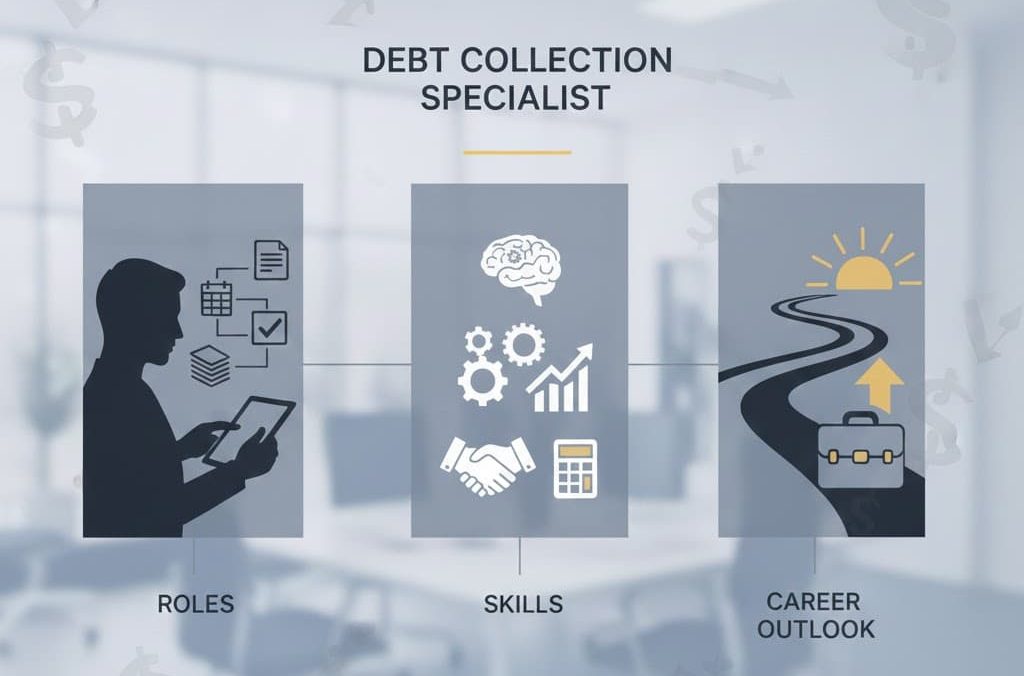
A debt collection specialist plays a critical role in helping businesses recover outstanding payments while maintaining compliance and professionalism. As regulations tighten and customer expectations evolve, this role has become more strategic than ever. Understanding a debt collection specialist job description is essential for companies looking to strengthen their recovery process and for professionals considering a career in this field.
This guide explains what the role involves, the skills required, how it has evolved, and when businesses typically seek expert support.
What Is a Debt Collection Specialist?
A debt collection specialist is responsible for contacting individuals or businesses with overdue accounts and working toward payment recovery in a lawful and ethical manner. The role goes beyond making calls; it involves negotiation, documentation, compliance awareness, and customer relationship management.
In modern organizations, debt collection specialists often work closely with finance, legal, and customer service teams to ensure recoveries are handled efficiently without damaging brand reputation.
Core Responsibilities of a Debt Collection Specialist
The day-to-day responsibilities of a debt collection specialist can vary by industry, but generally include managing overdue accounts, communicating with debtors through calls, emails, and written notices, and negotiating payment plans that align with company policies.
They are also responsible for maintaining accurate records of all communications, ensuring compliance with federal and state debt collection laws, and escalating complex or high-risk cases when necessary. In many organizations, specialists also analyze account data to prioritize recovery efforts and identify recurring issues.
Key Skills and Qualifications Required
Successful debt collection specialists combine communication skills with analytical thinking. Strong verbal and written communication is essential, as specialists must explain obligations clearly while remaining respectful and professional.
Other important skills include negotiation, conflict resolution, attention to detail, and a solid understanding of compliance frameworks such as the Fair Debt Collection Practices Act (FDCPA). Many employers prefer candidates with experience in finance, accounting, customer service, or collections software, although training is often provided for entry-level roles.
Businesses that require these skills on a daily basis often choose to work with dedicated Debt Collection Specialists who are already trained, compliant, and performance-ready. This allows teams to scale recovery operations faster without the cost of in-house hiring.
Hireoid: Smarter Staffing for Modern Businesses
✔ AI-trained professionals ready to start immediately
✔ High-quality talent at cost-effective offshore rates
✔ Specialized staffing for 30+ industries
✔ Free replacement guarantee for every hire
How the Role Has Evolved in Recent Years
Debt collection is no longer just a call-center function. With the rise of automation, CRM systems, and data-driven decision-making, specialists are expected to work with digital tools and dashboards that track performance and compliance.
Remote and offshore collection roles have also become more common, allowing businesses to scale operations while controlling costs. As a result, companies now prioritize specialists who can adapt to technology, follow structured processes, and maintain consistent quality across channels.
Common Challenges in Debt Collection Roles
One of the biggest challenges debt collection specialists face is balancing recovery goals with compliance and customer experience. Aggressive tactics can lead to legal risks and reputational damage, while overly passive approaches may reduce recovery rates.
Another common issue is inconsistent documentation and follow-up, which can weaken a company’s collection strategy over time. Without trained specialists, businesses often struggle to maintain accuracy, compliance, and efficiency simultaneously.
When Businesses Consider Professional Debt Collection Support
As organizations grow, managing collections internally can become time-consuming and complex. Many businesses reach a point where they need experienced professionals who understand regulations, negotiation strategies, and recovery workflows.
At this stage, companies often choose to hire debt collection specialists who can integrate seamlessly into their operations and deliver consistent results without increasing internal overhead.
Final Thoughts
A well-defined debt collection specialist job description reflects the growing importance of professionalism, compliance, and strategic recovery. Whether you’re building a collections team or evaluating your current process, understanding this role helps ensure better financial outcomes and stronger customer relationships.
Businesses that invest in skilled specialists are better positioned to recover revenue while protecting their brand and staying compliant in an increasingly regulated environment.
Ready to Strengthen Your Debt Collection Process?
If you’re evaluating your collections strategy or need experienced support, speaking with a specialist can help you identify the right approach for your business.
Discuss Your Requirements with an Expert
Q1. What does a Debt Collection Specialist do for a business?
A Debt Collection Specialist manages overdue accounts by contacting customers, negotiating repayment plans, documenting interactions, and ensuring compliance with debt collection regulations. For businesses, this means improved cash flow, fewer write-offs, and structured recovery processes without damaging customer relationships.
Q2. When should a business hire a Debt Collection Specialist?
Businesses typically hire a Debt Collection Specialist when overdue balances increase, internal teams struggle with follow-ups, or compliance risks grow. If collections are affecting cash flow or taking time away from core operations, dedicated professional support becomes essential.
Q3. Is it better to hire a remote Debt Collection Specialist or build an in-house team?
Many businesses prefer hiring remote Debt Collection Specialists because it reduces overhead costs, speeds up onboarding, and provides immediate access to trained professionals. Remote specialists can integrate with your existing systems while delivering consistent recovery performance.
Q4. What industries commonly hire Debt Collection Specialists?
Debt Collection Specialists are commonly hired by financial services firms, healthcare providers, utility companies, telecom businesses, e-commerce brands, and B2B service providers—any organization that manages recurring payments or outstanding receivables.